

Violence Against Children: A Crisis Bangladesh Keeps Ignoring
Rising violence against children in Bangladesh reflects deeper failures: drug abuse, unregulated digital exposure, social silence, and a justice system weakened by delay and impunity.
বাংলাদেশে শিশুদের বিরুদ্ধে সহিংসতা ও ধর্ষণের ঘটনা বিচ্ছিন্ন নয়; এটি মাদকাসক্তি, অনিরাপদ ডিজিটাল পরিবেশ, সামাজিক নীরবতা ও বিচারহীনতার গভীর সংকটের ফল। শিশুদের সুরক্ষায় এখন পরিবার, সমাজ ও রাষ্ট্রের সমন্বিত পদক্ষেপ জরুরি।
Children are among the easiest to manipulate and abuse. They always remain vulnerable targets for molesters and rapists. Even the most aware and vigilant families cannot shield children entirely when the institutions meant to protect them fall short. So, children experience some form of abuse. But today, the brutality has crossed all boundaries. Children are being not only abused but slaughtered and decapitated, and even cut into pieces after rape and extreme torture. We witness such horrifying cases almost every day in Bangladesh. But has it always been like this? Probably not. How, then, have we come to this point? At a time of higher literacy, improved living standards, and global connectivity, why must our children endure such anguish?
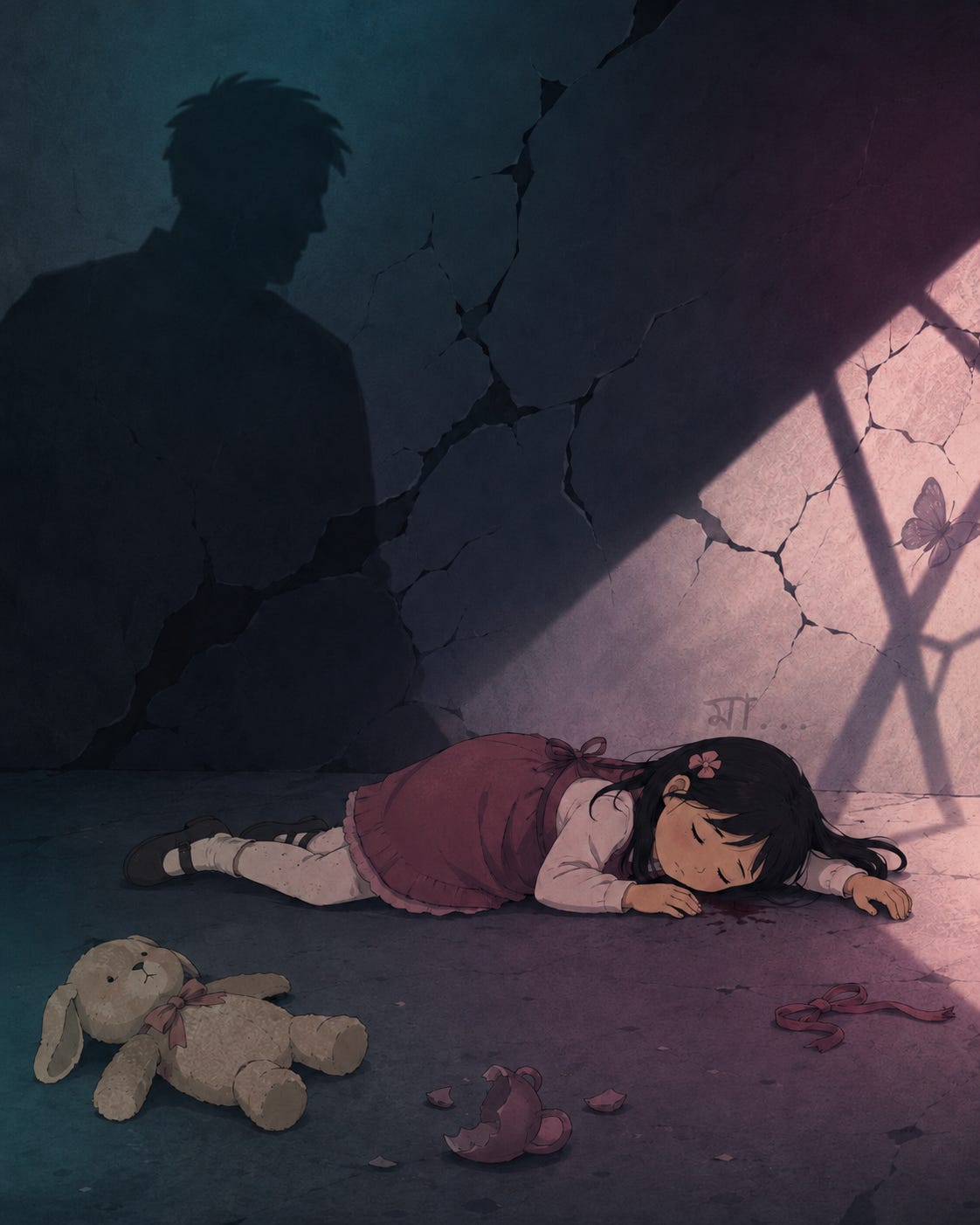
The answer lies in a set of harmful influences that have quietly taken root in Bangladeshi society, and whose consequences fall hardest on its most vulnerable.
One alarming factor is the rise in substance abuse. Drug addiction and intoxication impair judgment, weaken self-control, and often trigger violent and reckless behavior. According to the United Nations Office on Drugs and Crime (UNODC) records, Bangladesh continues to face growing challenges related to narcotics trafficking and abuse, particularly yaba, the cheap methamphetamine tablet that has devastated youth communities across the country. National reports from the Department of Narcotics Control also indicate a steady rise in drug-related cases and treatment admissions, reflecting the expanding scale of substance dependency. Substance abuse does not only destroy individuals - it destabilizes families, weakens moral restraint, and increases vulnerability to crimes, including sexual violence against women and children.
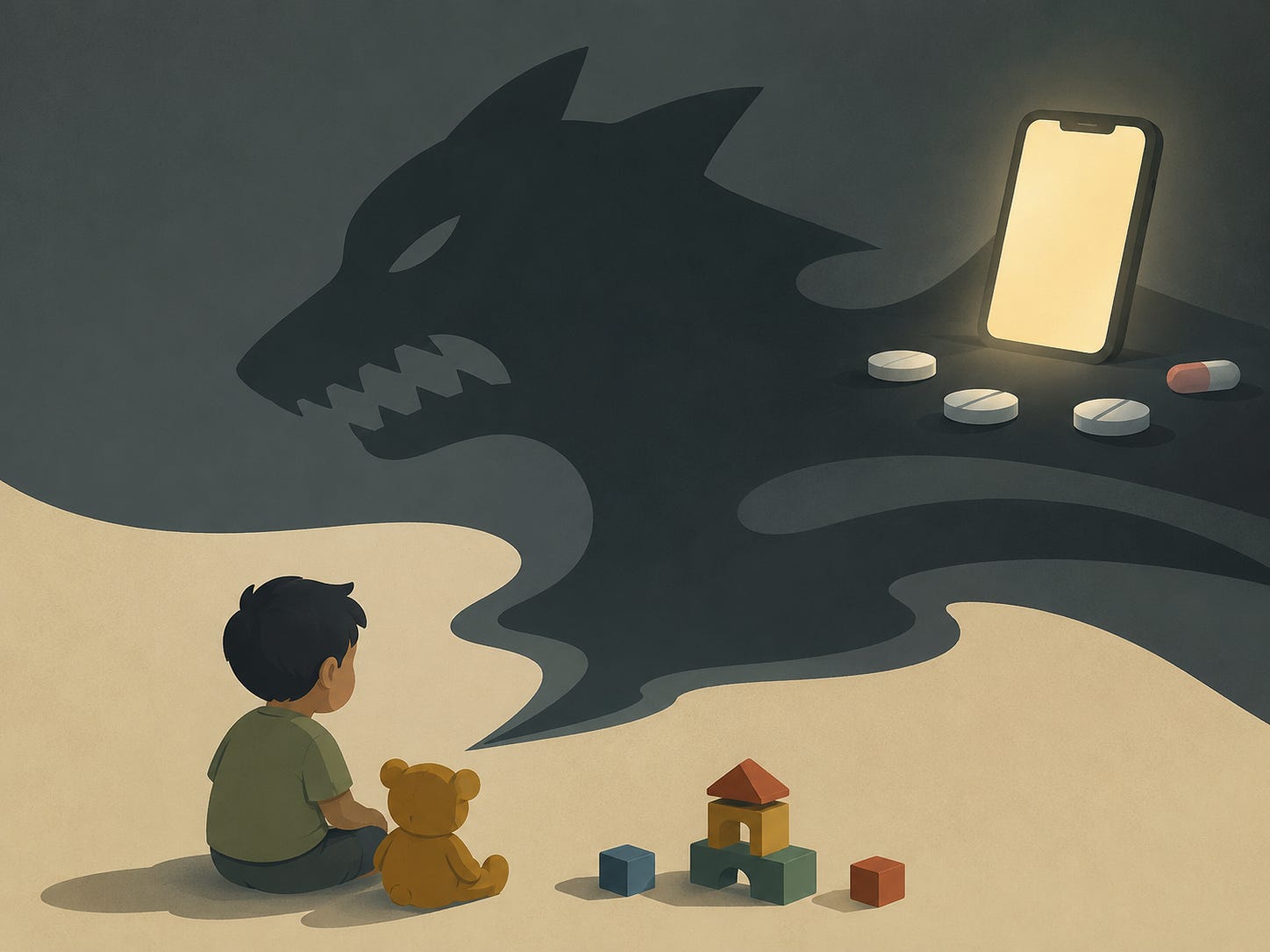
The unrestricted availability of pornographic content compounds this crisis. Pornographic websites are now easily accessible to children and adults alike. No adequate monitoring or control is observed. Research from global public health literature shows that early and repeated exposure to pornography can distort perceptions of consent, normalize sexual aggression, and desensitize individuals to exploitation and abuse. The Bangladesh Telecommunication Regulatory Commission or BTRC has repeatedly taken steps to block thousands of pornographic websites, acknowledging its harmful social impact. Yet access remains widespread due to digital circumvention and social media exposure.
Beyond measurable data, certain social and cultural forces shape attitudes toward women and children in ways that are harder to quantify but impossible to ignore.
The objectification of women in the media and the growing normalization of sexualized content often go hand in hand with pornography in reinforcing sexualization within society. By presenting sexuality as ordinary entertainment, media platforms frequently commercialize ‘bold’ content through provocative scenes and imagery. Beauty contests, revealing fashion trends, and social media exposure through reels and shows often bring some women or celebrities easy attention, with little regard for the broader social consequences.
One important reality is that repeated exposure to sexualized imagery can alter perception and weaken the moral boundaries that protect human dignity. When such content becomes routine, it can desensitize individuals to exploitation and blur their sense of what is acceptable. Each of these factors contributes to an environment of diminishing boundaries, one that makes women and children more vulnerable to predatory behavior.
At the same time, society often conceals exploitative relationships, incest, blackmail, and other forms of sexual abuse behind silence, stigma, and fear. Many such cases never reach public attention, allowing perpetrators to remain hidden. Among lower-income communities, where offenders face little reputational risk and security remains a luxury for most families, this hidden abuse can escalate into rape, torture, and death.
While this scenario is not unique to Bangladesh, many countries attempt to keep such crimes under control through the establishment of laws and the proper delivery of justice. Strong legal enforcement, timely investigations, and meaningful punishment can serve as deterrents, sending a clear message that crimes such as rape and sexual abuse will not go unpunished. Unfortunately, in Bangladesh, despite the existence of laws intended to protect women and children, weak enforcement, delayed trials, and an alarmingly low conviction rate often undermine justice.
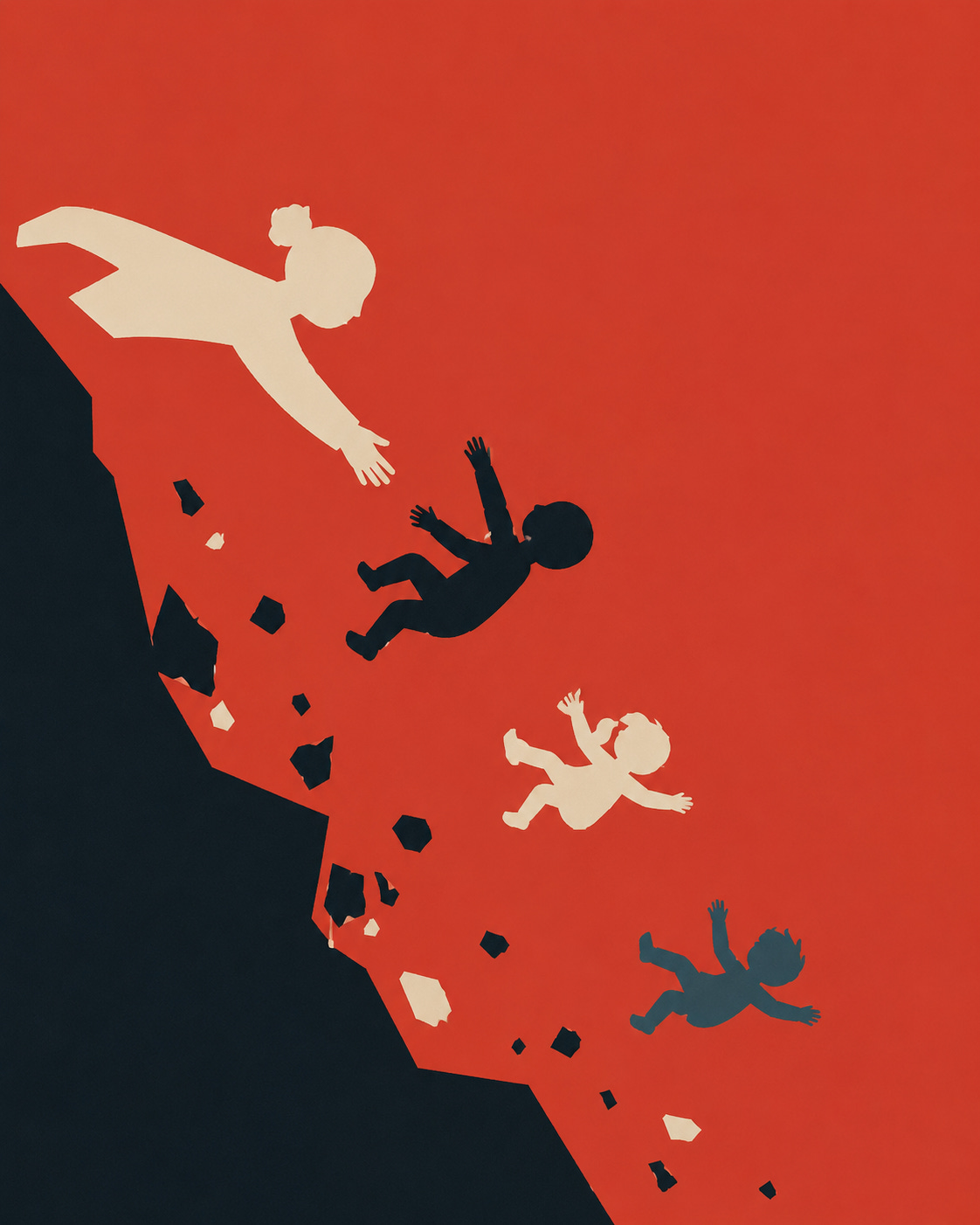
Bangladesh’s rape conviction rate has remained critically low. A joint study by the Bangladesh Supreme Court and BRAC found that only around 3 percent of women and children repression cases result in conviction, while nearly 70 percent end in acquittal. According to The Insighta’s investigation, more than 150,000 such cases are currently pending before the tribunals — over 42,000 of them for more than five years — and since 2009, only five people have actually been executed for rape and murder, even as some 150 death sentences remain unexecuted. This failure of law and order creates a culture of impunity, where perpetrators often believe they will escape accountability. When justice is delayed or denied, vulnerable victims are left without protection, public trust in the legal system erodes, and offenders are emboldened to repeat acts of violence without fear of consequence
If we are serious about protecting our children, we must look beyond punishment after tragedy strikes. We must confront the deeper social, moral, and cultural influences that are shaping dangerous minds, while also demanding stronger institutions that uphold justice swiftly and fairly. Protecting children requires not only awareness within families and communities, but also a justice system that truly defends the vulnerable and holds offenders accountable. A society that fails to protect its children is a society that is surrendering its future.
About the author:
Saleeha Syed is an administrative professional with the Employment Development Department (EDD), State of California. She can be reached at rifaat.saleeha@gmail.com.
Disclaimer: The views expressed in this article are the authors' own and do not necessarily reflect The Insighta's editorial stance. However, any errors in the stated facts or figures may be corrected if supported by verifiable evidence.