

ক্রিকেট কি এখনো ‘ভদ্রলোকের খেলা’? রাজনীতি, অর্থ ও ক্ষমতার প্রভাব খেলাটির সুনামকে প্রশ্নবিদ্ধ করছে। ভারতের ক্রমবর্ধমান প্রভাব ও বোর্ড রাজনীতি বিশ্ব ক্রিকেটকে এক গভীর সংকটের দিকে ঠেলে দিচ্ছে।
Is cricket still a gentleman’s game? The relentless commercialization and the growing political interference have pushed the sport into a deep reputational crisis. Looking at recent events across South Asian cricketing nations, this article reveals how cricket’s long-held image as a gentleman’s game is fading, drifting away from its ideals of fairness and sportsmanship.
The recent turbulence in Bangladeshi cricket has drawn global media attention when the country decided not to send its team to India for the ICC Men’s T20 World Cup 2026, scheduled to begin this February. Citing ongoing political tensions and security concerns, Bangladesh requested the International Cricket Council (ICC) to move its matches, possibly to Sri Lanka, the tournament’s co-host, where all Pakistan matches are already scheduled due to strained relations with India.
The Bangladeshi decision followed the release of Bangladeshi pacer Mustafizur Rahman from the Indian Premier League (IPL) at the request of the Indian cricket board, amid growing political tensions between the two countries. Relations had sharply deteriorated after then Prime Minister Sheikh Hasina fled Bangladesh during a nationwide uprising in 2024, marking a historic low in bilateral ties and intensifying public resentment in Bangladesh over alleged Indian over-influence.
Against this backdrop, Bangladeshi cricketers across formats, including the ongoing Bangladesh Premier League (BPL), staged a brief boycott. The protest was triggered by derogatory remarks made by a Bangladesh Cricket Board official ahead of the World Cup. Although the boycott was withdrawn after two matches, it exposed deeper fractures within the board, intensified internal power struggles, and heightened tensions among players, raising fresh questions about governance, accountability, and the erosion of cricket’s so-called gentlemanly ethos.
At a subsequent press conference, the board official stated that the cricket board had no plans to compensate players if they skipped the World Cup. Responding to a follow-up question, the official added that the board had allocated sufficient funds for cricketers and had never demanded refunds for poor performances at global tournaments. While the board’s position could have opened up space for a constructive discussion, it instead raised a more pressing question: what concerns ultimately led Bangladesh to reconsider playing such a prestigious tournament in India?
Over the last few years, India’s bilateral relationships with some of its neighboring countries have not been going well; rather, they have deteriorating day by day. This should be addressed, and a needed political and diplomatic analysis is required, which is not my target today. Instead, I want to focus on investigating how the growing tensions immediately gripped the gentleman’s game and, surprisingly, led to Indian dominance in this sport. Is it good or bad for sports?
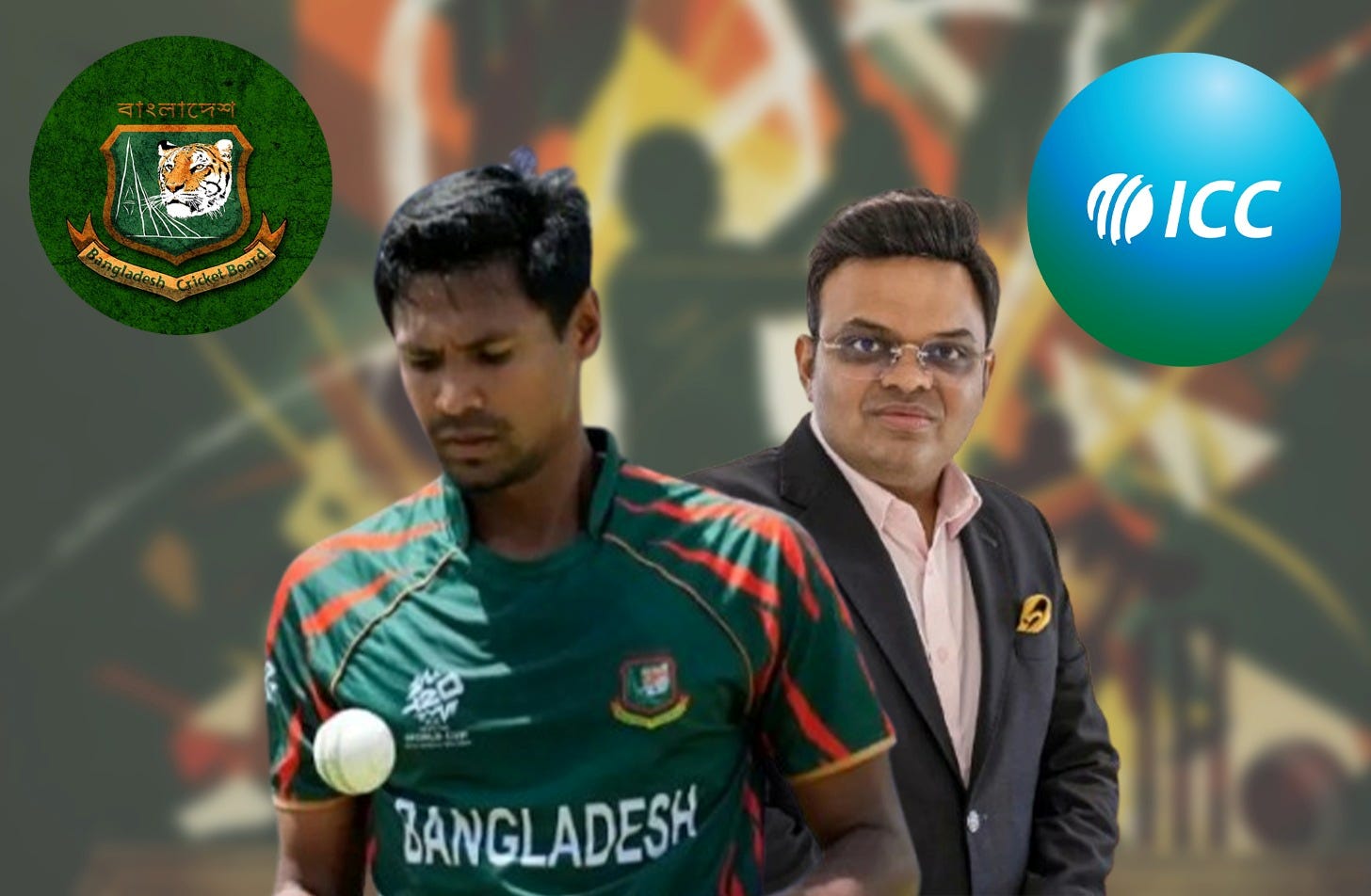
Hence, this study investigates several reasons why Indian dominance in cricket makes it more controversial and leaves the game in a credibility crisis. According to a recent report by the financials of cricket national bodies, the Indian cricket board generated $1.2 billion in revenues in 2023-24, nearly triple that of the richest cricket board, the England and Wales Cricket Board (ECB). Additionally, the IPL generates $6.2 billion per edition from streaming and television rights, making this event the most lucrative franchise tournament globally.
Secondly, India has a population of over 1.4 billion, making cricket a prominent domestic sport and creating significant commercial opportunities worldwide. For example, Disney Star has over $3 billion in broadcasting deals for the ICC in India. Moreover, some Indian cricketers have massive social media influence, with millions of followers that can rival those of world football superstars. Virat Kohli, the iconic Indian batter, has 274 million Instagram followers. The apex popularity of Virat Kohli was considered a key factor in cricket’s inclusion in the 2028 Olympics in Los Angeles, USA, according to Olympics director Niccolo Campriani.
This cricketing control of India reshapes the gentleman’s game, as many of us believe that India, which has benefited the most, receives 40 percent of the profits made by the ICC. This has created a mutually beneficial and interdependent relationship between India and the ICC. Some recent incidents offer a clearer picture of Indian dominance. The concerns gripped most when India refused to play in the ICC Champions Trophy, which was hosted by Pakistan last year. These two countries are political rivals, causing problems for other teams that had matches with India and forcing those matches to be shifted to Dubai.
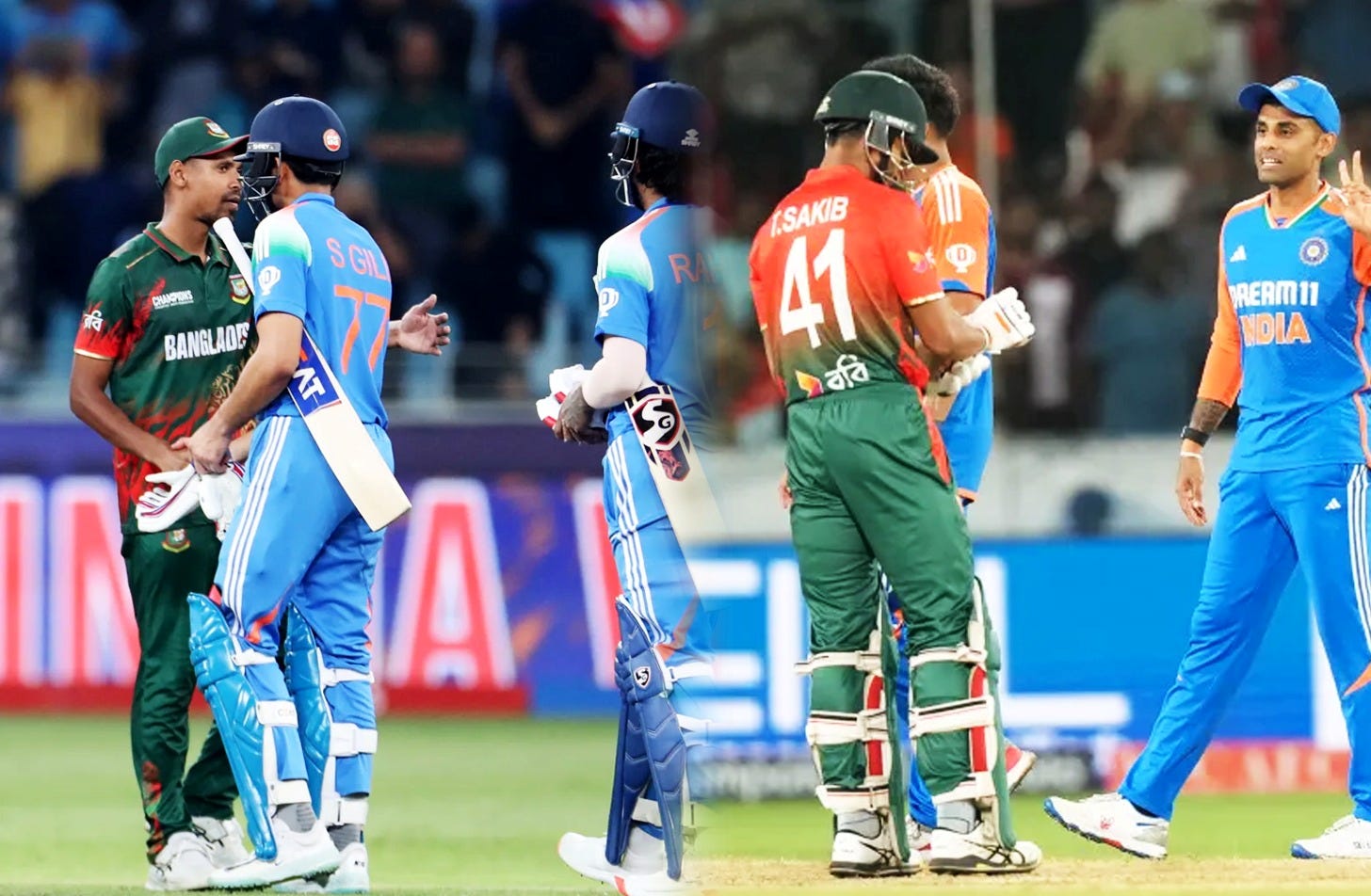
Additionally, during the Asia Cup held in the UAE in 2025, India refused to shake hands before and after matches following a militant attack on a tourist spot in India-administered Kashmir. India also refused to accept the trophy from Mohsin Naqvi, the Asian Cricket Council president and chairman of the Pakistan Cricket Board. The very recent case also raised major concerns about Pakistani-born USA cricketers, as all of them were denied Indian visas to attend the upcoming T20 Cricket World Cup. Meanwhile, the ICC surprisingly stated it would replace Bangladesh with Scotland if Bangladesh sticks to its decision not to play in India over security concerns.
This analysis now concludes, saying and commenting that India has now been a big part of world cricket, whatever other cricketing nations are trying to do. Since cricket has historically been regarded as a gentleman’s game, we expect India to show honor, respect, and sportsmanship to others. Therefore, ICC should play a significant and independent role.
About The Author
Bachchu Shekh is a PhD student at the University of Colorado Boulder, USA. He can be reached at shekh.bachchu@gmail.com
Disclaimer: The views expressed in this article are the author’s own and do not necessarily reflect The Insighta’s editorial stance. However, any errors in the stated facts or figures may be corrected if supported by verifiable evidence.