

Early Deaths Among Young Adults Demand Public Health Reform
Young adults in Bangladesh are dying early from NCDs such as heart disease and stroke. Weak prevention systems, unhealthy diets, poor sleep, and pollution demand stronger public health action.

বাংলাদেশে ২৫–৪৫ বছর বয়সী তরুণদের হৃদরোগ, স্ট্রোক ও শ্বাসযন্ত্রের রোগসহ নন-কমিউনিকেবল রোগ উদ্বেগজনকহারে বাড়ছে। অনেকেই অল্প বয়সে মারা যাচ্ছেন। অনেকেই এ বয়সে স্বাস্থ্যের এমন এমন ঝুঁকি সম্পর্কে সচেতন নন। উপরন্তু, এসব ঝুঁকির বিপরীতে প্রতিরোধমূলক সেবা ও প্রাথমিক চিকিৎসা কাঠামোও অত্যন্ত দুর্বল। অনিয়মিত খাদ্যাভ্যাস, দেরিতে ঘুম, এবং বায়ুদূষণ পরিস্থিতিকে আরও খারাপ করছে। সচেতনতা বৃদ্ধি ও স্বাস্থ্য স্ক্রিনিংয়ের পাশাপাশি স্বাস্থ্যব্যবস্থা সংস্কারে সরকারকে দ্রুত কার্যকর পদক্ষেপ নেওয়া প্রয়োজন।
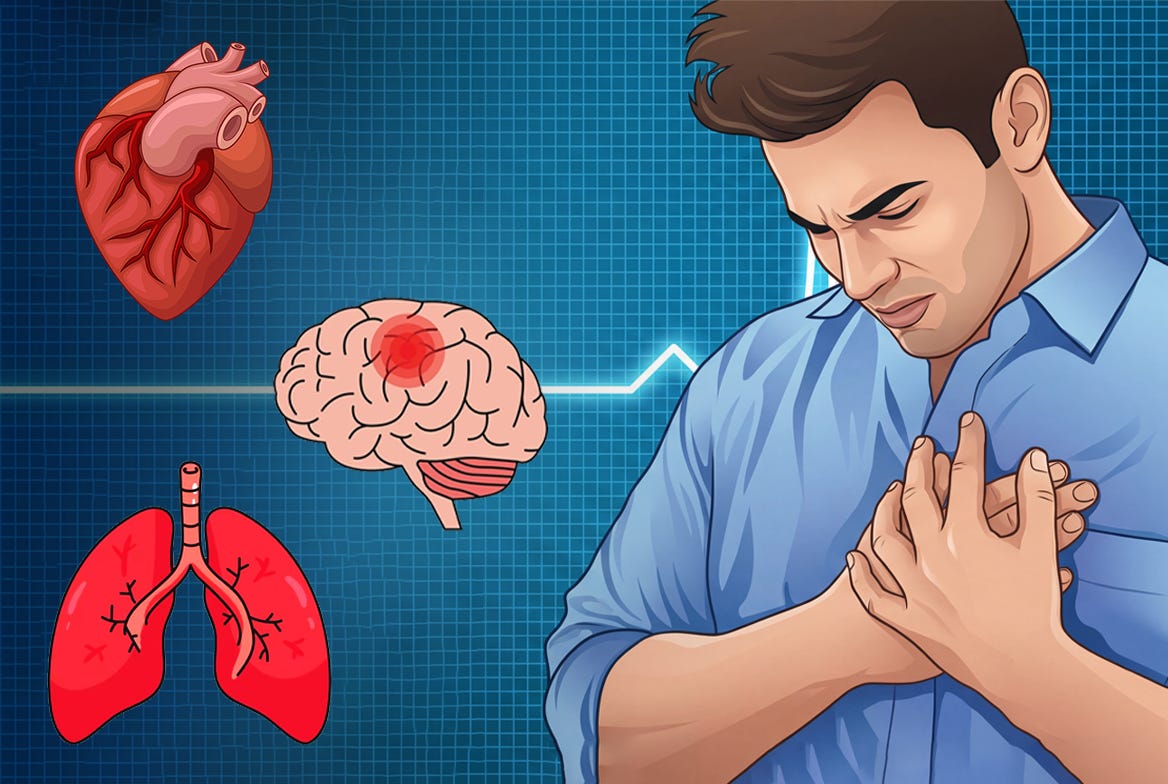
News of young people dying in Bangladesh has become disturbingly common. Many of these deaths are linked to heart disease, stroke, and serious respiratory conditions. The victims are often between 25 and 45 years old, an age when people are building careers, supporting parents, raising children, and contributing to the country’s economy. When someone dies this early, the loss is not only personal. It shakes families and also weakens the nation’s workforce and long-term growth.
Bangladesh has a large population and a significant share of working-age adults. This group serves as the main engine of the country’s economic development. Yet many young adults are not protected by a strong system of disease prevention. Bangladesh has made progress in areas such as maternal and newborn health, but the country must now give equal attention to non-communicable diseases (NCDs). These long-term illnesses, including heart disease, diabetes, cancer, and chronic lung disease, are rising steadily, and many now appear earlier in life than before. .
This article explains why many young adults underestimate their health risks, how a treatment-focused health system fails to prevent early deaths, and what stronger public health action could look like in closing the gap. It also highlights major risk factors in Bangladesh, including food habits, late meal timing, poor sleep routines, and pollution, and ends with practical steps the government can take to protect young adult health.
Why Young Adults Do Not Feel at Risk
Many young adults simply do not believe they are vulnerable to serious illness and health risks. People in their late 20s or 30s often feel physically active and healthy. Because they experience only occasional viral fever or minor health problems, they assume their bodies are functioning well.
At the same time, Bangladesh has limited health-promotion reminders through schools, workplaces, and public campaigns. Many people do not think they need routine health checks. In everyday life, social and economic pressures also push health concerns aside. Education, employment, income, and family responsibilities often dominate daily priorities, even though good health is the foundation that supports them all.
A Treatment-Focused Health System and Weak Primary Care
Bangladeshi health system still focuses largely on treatment after illness appears rather than preventing disease before it develops. Primary care services and referral systems are often weak. As a result, many patients attempt to consult specialist doctors directly, even for basic health concerns.
This practice creates unequal outcomes. People with money, influence, or personal connections often gain quicker access to specialists, and those who truly need specialist care wait longer or even fail to get an appointment. This situation is not only the public’s fault. It also reflects limited health education and a system that does not guide patients through proper steps of care.
Public Health Organizations and the Gap in Prevention
Public health institutions should play a stronger role in prevention. In many countries, public health agencies track disease trends, warn the public about health risks, and run campaigns encouraging healthier lifestyles and early screening. Bangladesh does have health services at local levels, but preventive care programs often remain limited in reach and intensity. If the nation aims to reduce early deaths from NCDs, public health promotion must become as important as treatment.
Food Culture and the Rise of Diet-Related NCD Risks
Food habits or diet is another major factor. Food provides essential energy, but not all eating habits support long-term health. Many NCDs are strongly linked to dietary practice, and popular foods in Bangladesh are often rich in oil, salt, deep fries, and refined carbohydrates.
Dishes such as Biriyani, Kacchi, Tehari, Piyaju, Shingara, and Samusa are widely popular choices, especially by young people. Restaurant meals and street food are convenient and flavorful, but they mostly contain high levels of oil, salt, and unhealthy fats. A serious concern is the repeated use of cooking oil for long periods, which can increase health risks. Although monitoring exists, many small shops and street vendors are not regularly inspected.
Meal timing also contributes to health risks. Many people eat dinner late at night, often after 9 or 10 p.m., while breakfast is frequently skipped. Fruits, vegetables, milk, and eggs may also be consumed irregularly because of cost, habit, or lack of planning. Over time, such patterns increase the likelihood of high cholesterol, high blood pressure, weight gain, fatty liver disease, and type 2 diabetes.
Sleep Habits and Hidden Health Damage
Sleep is another overlooked factor in public health. Adequate rest is as important as balanced nutrition. In rural areas, many people still go to bed early and wake up early. However, late-night sleep has become common in big cities, especially among students and some professional groups.
When people sleep too short or at irregular hours, their body’s internal systems get disrupted. Poor sleep is linked to heart disease, diabetes, anxiety, depression, and low concentration. Bangladesh needs stronger awareness programs that explain why sleep matters and how people can build healthier routines.
Air Pollution and Growing Heart and Lung Disease Risk
Air pollution is also a major public health challenge. Bangladesh frequently ranks among the countries with the world’s poorest air quality. Continuous exposure to polluted air increases the risk of asthma, chronic respiratory disease, lung cancer, heart disease, and stroke. Urban areas bear the greatest burden, where vehicle emissions, construction dust, and industrial pollution are common. Without stronger enforcement of environmental regulations and cleaner urban systems, controlling premature deaths will remain difficult.
Silent NCDs and the Danger of Delayed Checkups
A particularly dangerous feature of many NCDs is that they develop silently. In their early stages, many people often show no clear symptoms and that is why people avoid checkups. When symptoms finally appear, the disease may already have advanced, making treatment more complex and costly. Prevention and early screening therefore become critical. Waiting for visible symptoms often means missing the opportunity for early intervention.
What the Government Must Do to Protect Young Adult Health
Protecting young adult health requires stronger and more coordinated public policy. The current government should invest in primary care and functional referral systems so that early detection becomes routine. Regular screening for blood pressure, diabetes, and cholesterol should become widely accessible, particularly for working-age adults. Public campaigns should also promote healthier habits related to diet, exercise, sleep, smoking, stress management, and routine health checks.
At the same time, stronger environmental policies are needed to reduce air pollution through better monitoring and enforcement. Young adults form the economic backbone of Bangladesh. Protecting their health is therefore not only a personal responsibility, it is a clear responsibility of the state. A healthier working population will not only save lives but also strengthen the country’s long-term development.
Dr. Jamal Uddin is a Lecturer in the Department of Communication at Cornell University, NY, USA and the Editor-in-Chief of The Insighta. Former journalist from Bangladesh with research interests in media, health, and politics. He can be reached at jamalus2014@gmail.com
Disclaimer: The views expressed in this article are the author’s own and do not necessarily reflect The Insighta’s editorial stance. However, any errors in the stated facts or figures may be corrected if supported by verifiable evidence.
Excellent works covering contemporary issues