

A Lapdog, Not a Watchdog BNP’s Toothless Upper House
BNP’s manifesto treats the July Charter as optional, undermines the referendum, rejects PR for the Upper House, and hints it may ignore a Yes vote, turning reform into political gaming.
বিএনপির ইশতেহারে জুলাই চার্টারকে একটি ঐচ্ছিক বিষয় হিসেবে দেখা হয়েছে, যেখানে গণভোটের প্রতিফলন খুবই কম।“হ্যাঁ” ভোট জিতলেও উচ্চকক্ষে অনুপাতিক প্রতিনিধিত্ব (PR) উপেক্ষা করার ইঙ্গিত দেওয়া হয়েছে। ফলে সংস্কার প্রক্রিয়া রাজনৈতিক খেলায় পরিণত হওয়ার আশঙ্কা তৈরি হয়েছে।
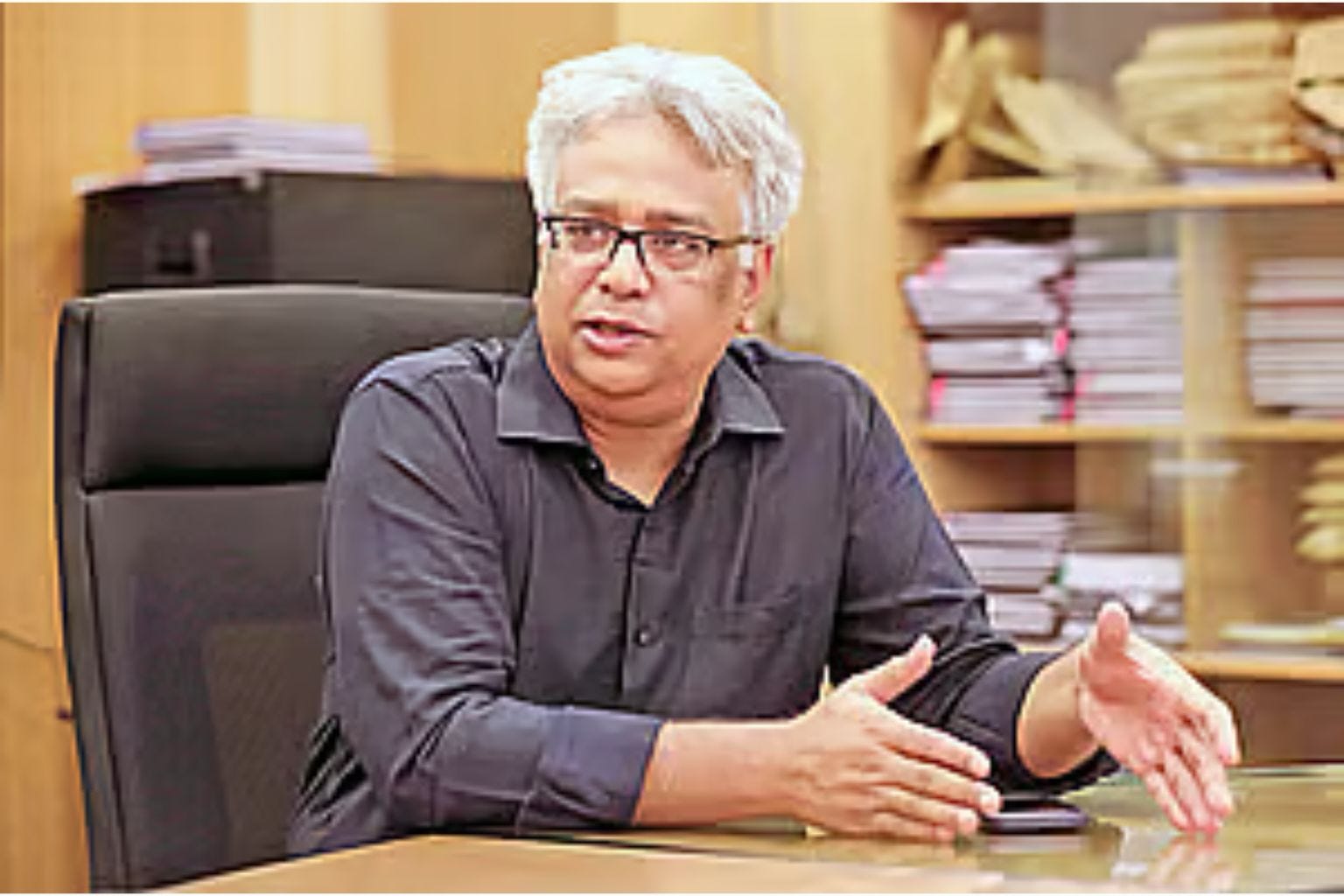
Dhaka University professor Asif Shahan shared his views on Facebook on February 7 about Bangladesh’s largest political party, the BNP, and its political motives regarding implementation of the July Charter if the party wins and the “YES” vote prevails in the 2026 election. We have shared his opinion with The Insighta readers.
I really didn’t think that I would have to talk about the July Charter and the referendum again. But, well, here we are! Needless to say, I am extremely disappointed after seeing the BNP’s manifesto, especially the part on constitutional amendment.
I think BNP made it quite clear that, to the party, the whole reform agenda is based on the document that was signed on October 17, which did contain the note of dissents, and that the party would also consider its 31 points—and nothing else. And that raises a big question: what will happen to the referendum? What are we doing here?
Let me refresh the memory—
a. We are having a referendum, and if it passes, the next parliament will have a dual role and, for a certain period of time, it will function as a constituent assembly.
b. The referendum contained four sub-questions, and of them, the first two are the most important ones—the first one talks about CTG and constitutional bodies, and the second one talks about an Upper Chamber where the members will be elected through PR. These two, in my opinion, are the two most important questions.
I knew there was a loophole for sub-question 1. It talks about appointments in constitutional positions and CTG, and mentions that the parties will do so as per the July Charter. However, in the July Charter implementation order, “July Charter” has been defined as the document signed on October 17, which did contain the note of dissents. I hoped that BNP wouldn’t use the loopholes. I hoped we would have some discussions on these issues and would find a solution. But that’s not going to happen.
But here is the thing—there is no loophole for UHPR. There is no mention of the July Charter in sub-question 2. It was clearly mentioned that there would be an UH, it would be elected through PR, and the UH would have a role in constitutional amendment. Now, when BNP says that they will have an upper house but it will not accept PR (NOTE: distribution of UH seats in proportion to seats won at the LH is not PR) and it won’t give any meaningful role to the UH, it means they are stating that they wouldn’t agree with the referendum even if “Yes” wins.
So, what does this mean? You can express your wish, your will, but I will decide whether I will listen to that. In what universe can a political party’s manifesto be more powerful than a referendum? And, I encourage you to vote yes, but I will interpret what yes means. This is political manoeuvring, gaming, and hypocritical.
And I fail to understand how this helps BNP, other than establishing itself as an arrogant party that doesn’t care what voters think or want. Just a few days before the election, when it still looks too tight, how does it help a political party when it declares that—look, you go vote but we know better. It seems like BNP is overconfident about a two-third majority and confident that losing votes before the election will not hurt them.
Also, if the referendum passes, this will be a constituent assembly with limited constituent power. Does BNP agree with that? If not, does it realise that it would need a two-third majority to do anything? If yes, can it just say that it will choose certain things out of the referendum but not the ones it hates? How does that work?
By the way, if BNP really wants to establish an UH the way it proposed, i.e., an UH with no teeth, it is not designing a watchdog; it is just establishing a lapdog. This is a waste of money and would further politicise a civil society which is already in search of its new “Lord”!
Author Bio
Dr. Asif M. Shahan is a professor at the University of Dhaka whose research and public commentary focus on Bangladesh’s politics, governance, and accountability.
Disclaimer: The views expressed in this article are the authors' own and do not necessarily reflect The Insighta's editorial stance. However, any errors in the stated facts or figures may be corrected if supported by verifiable evidence.